What exactly does "multi-head" mean on an ultrafine grinding mill?
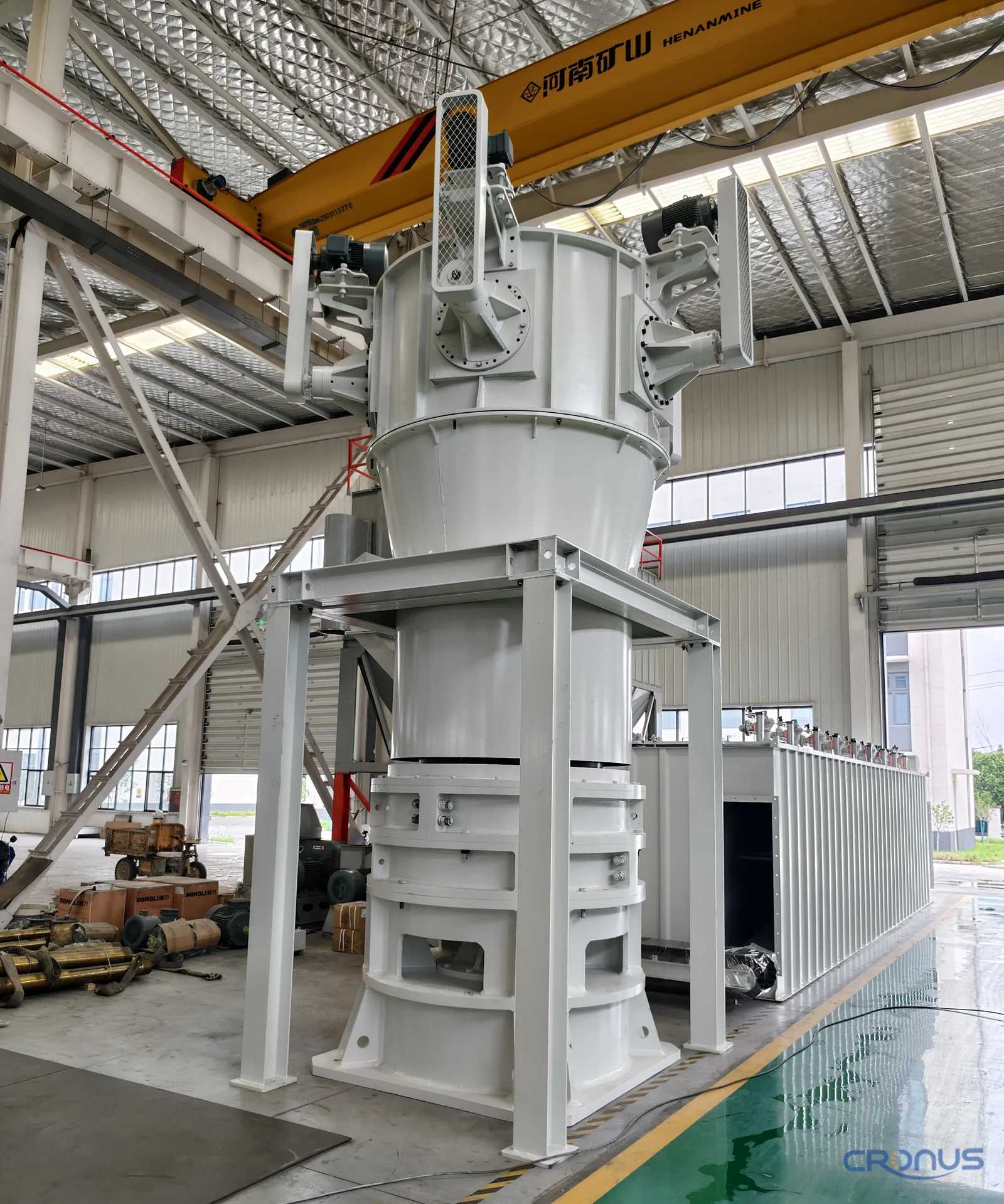
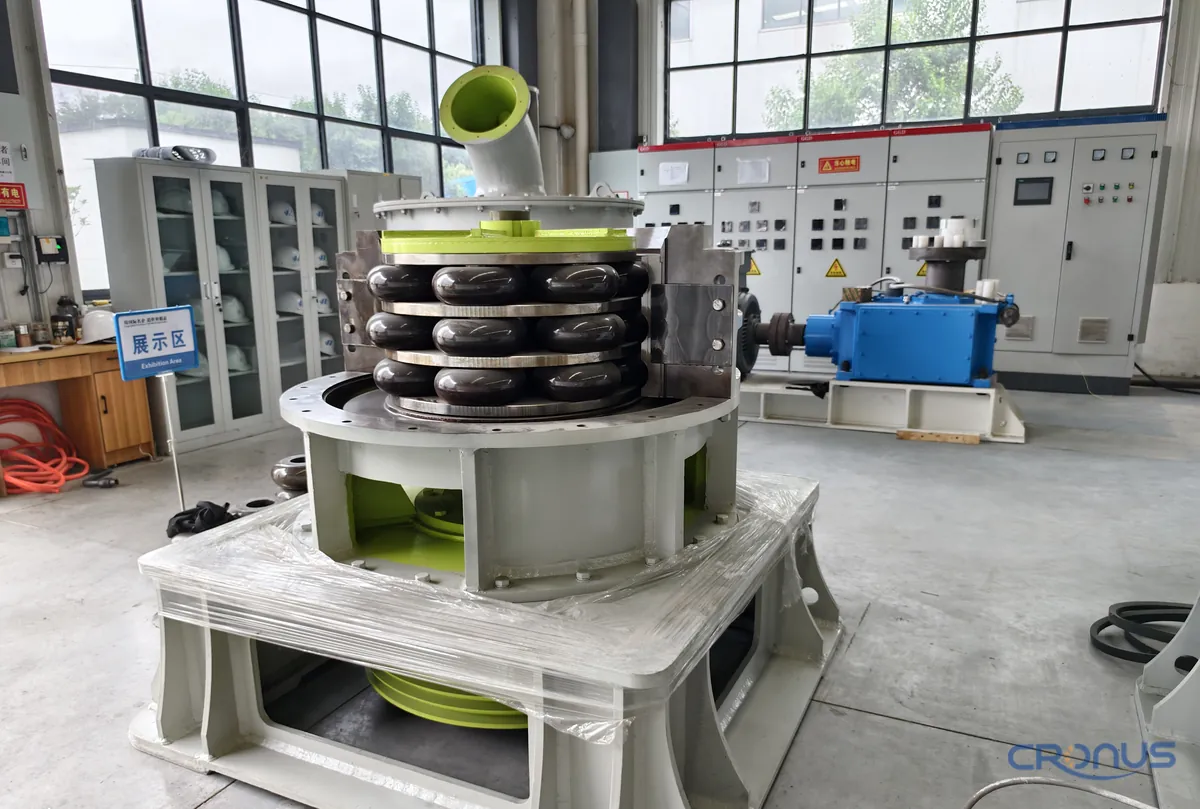
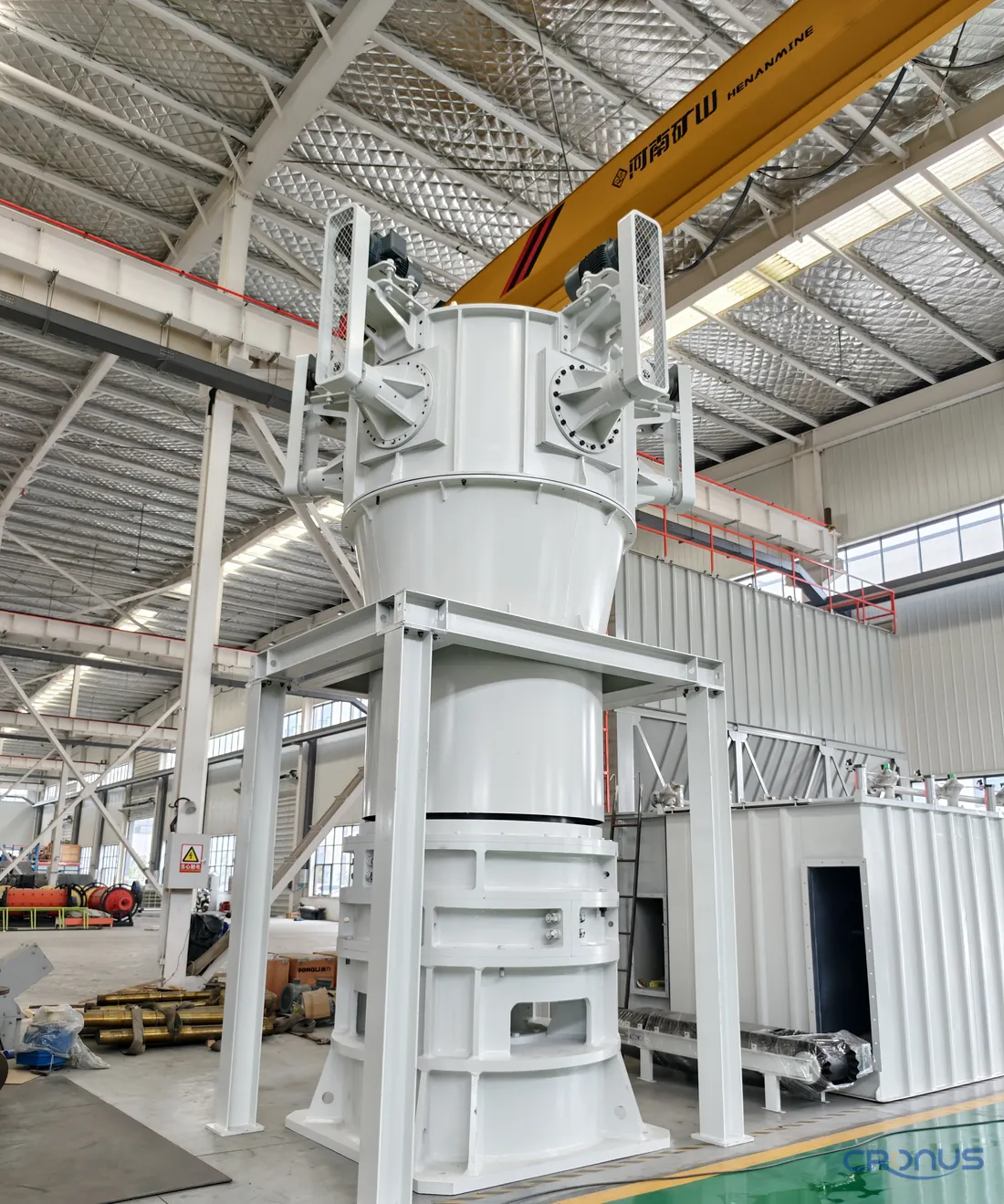
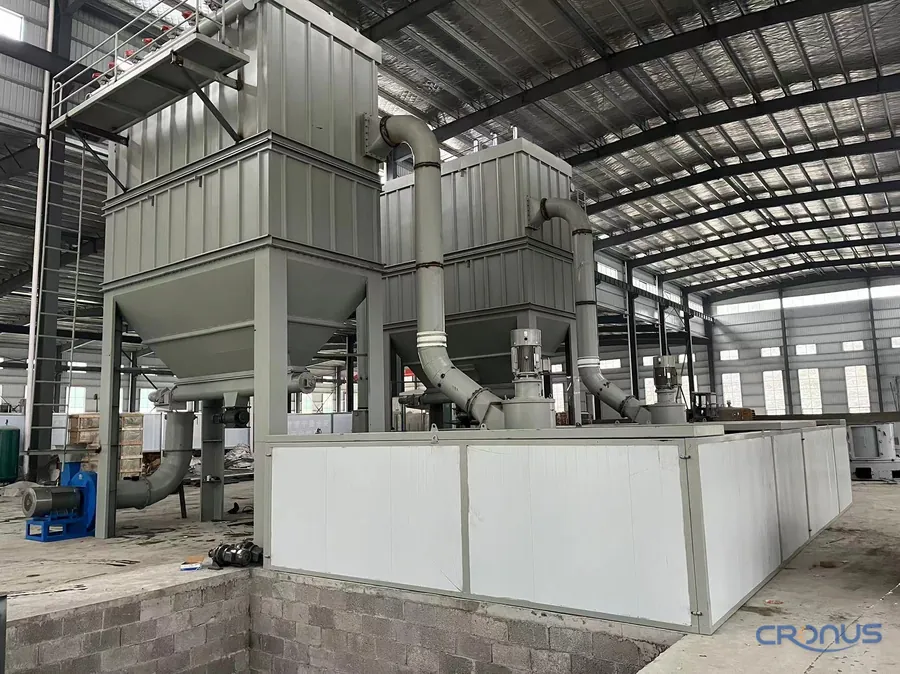
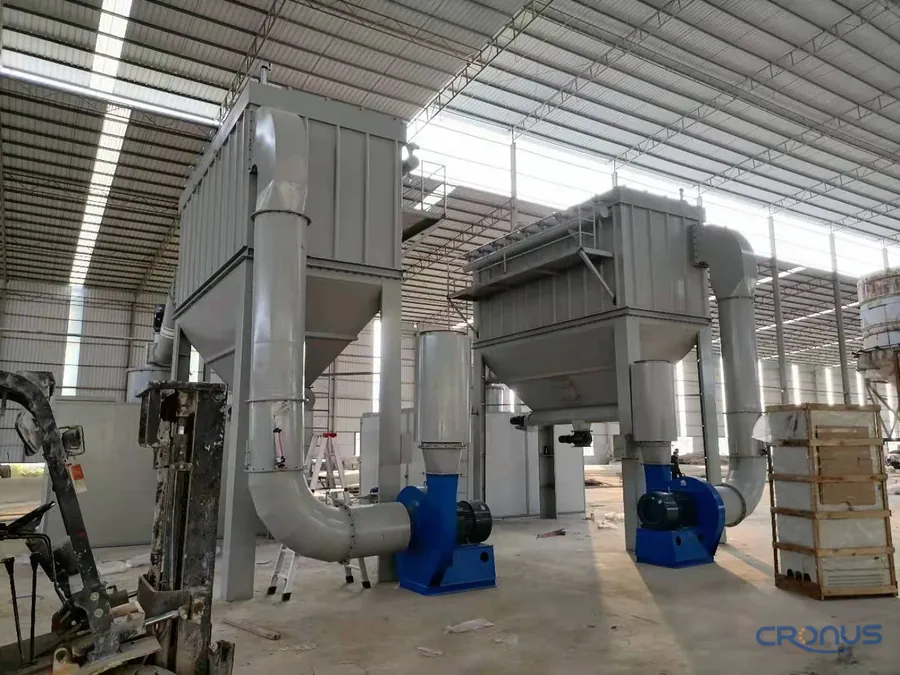
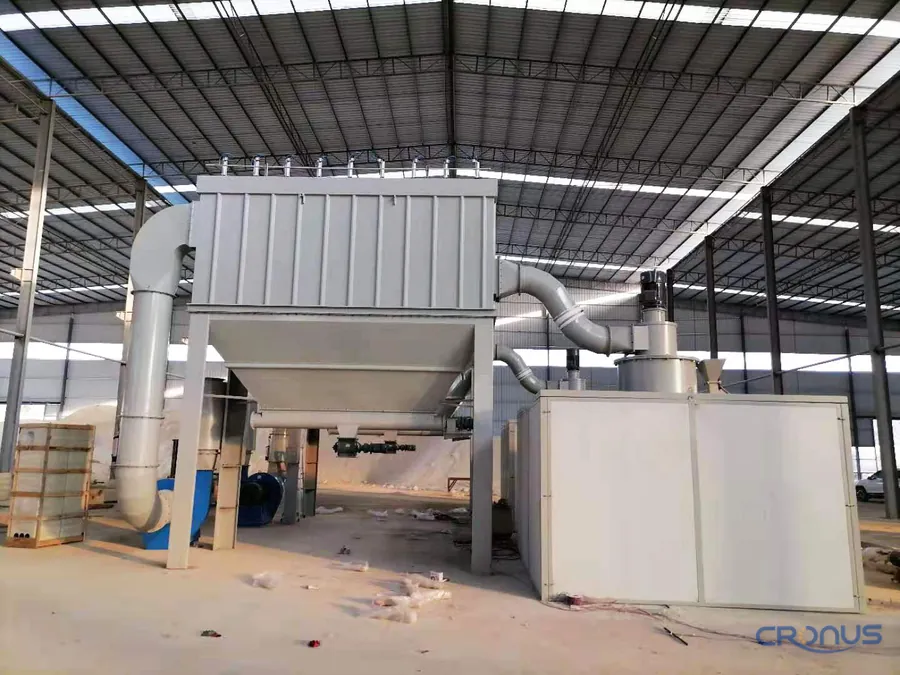
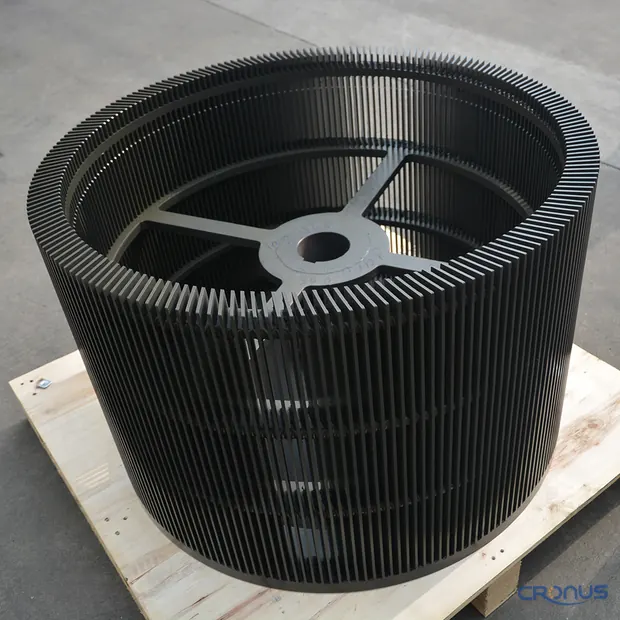
It refers to the classifier (also called analyzer) mounted on top of the mill. "Multi-head" means several classifier rotors (impellers) are connected in parallel inside one classifier, each driven by its own variable-frequency motor. The grinding chamber below — turntable, rollers and rings — is the same single grinding unit. So: single head = single-rotor classifier; multi head = multi-rotor parallel classifier head.
Why is output higher with a multi-head classifier at 1500–2500 mesh?
A single rotor's impeller ventilation cross-section is limited. At ultrafine cuts, air resistance rises sharply, total airflow cannot go up, and the classifier chokes the mill — the main machine is forced to run below its grinding capacity. With multiple rotors in parallel, the total ventilation area multiplies, so the same 2500-mesh product leaves at a significantly higher rate.
Does multi-head change the grinding chamber or the rollers?
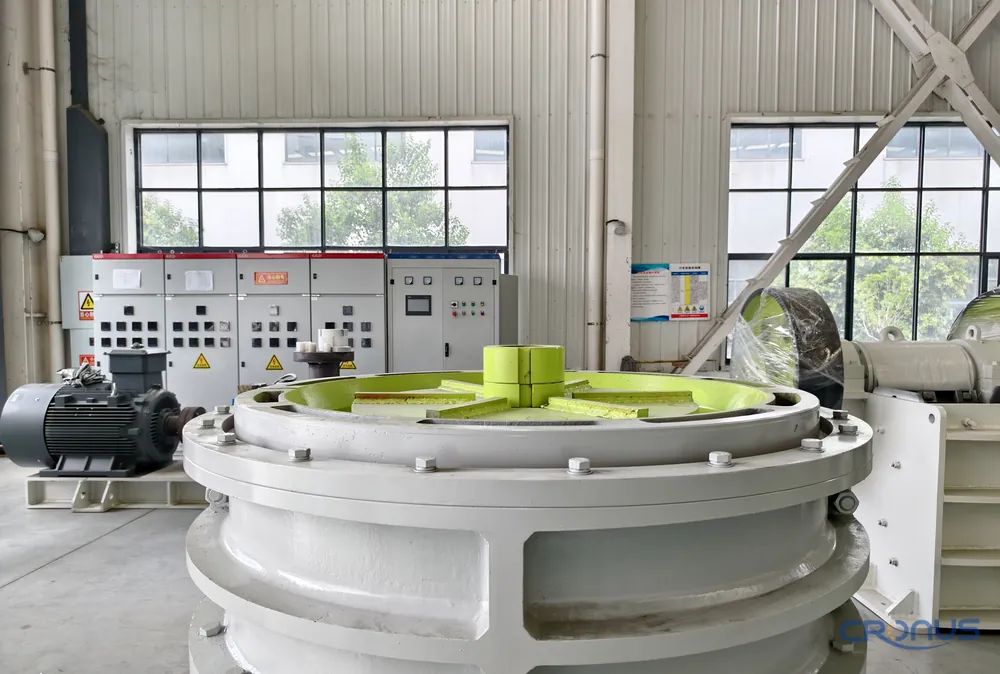
No. The grinding unit is identical. Only the classification system on top is upgraded, which is why it is also a practical retrofit for existing single-head mills.
Can it really produce two fineness grades at once?
Yes. Because each rotor is independently VFD-controlled, rotors can run at different speeds. The system then splits off two finished products of different mesh simultaneously — no downtime for parameter changes.
What materials suit this mill best?
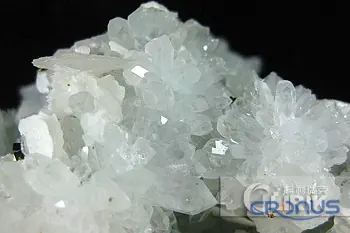
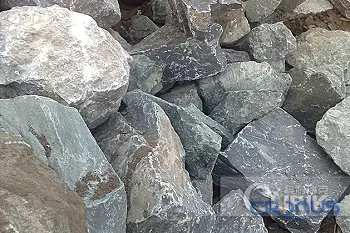
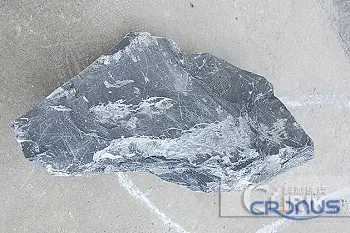
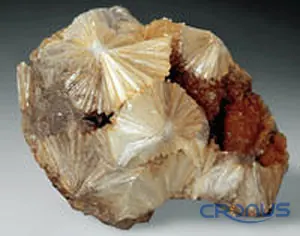
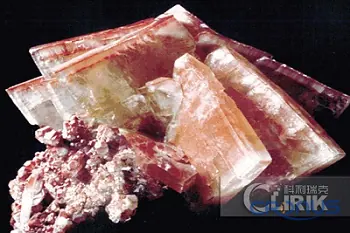
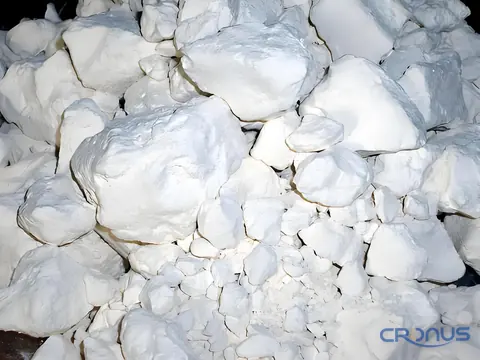
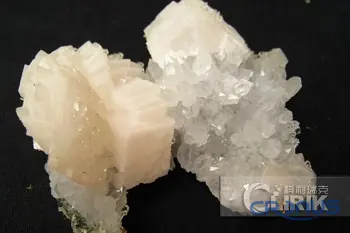
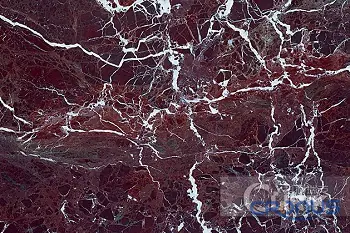
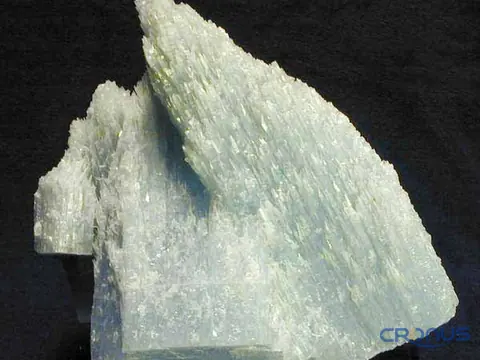
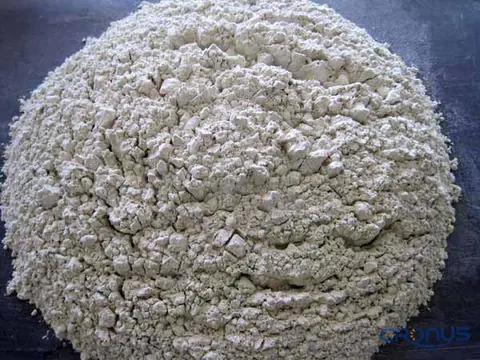
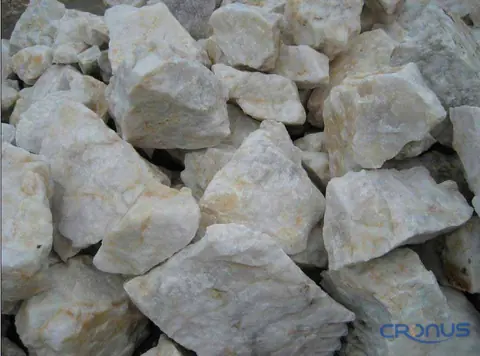
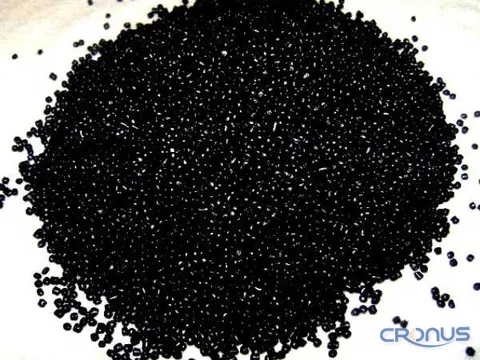
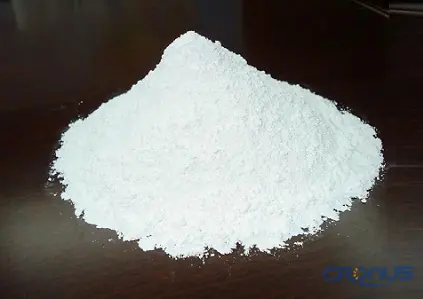
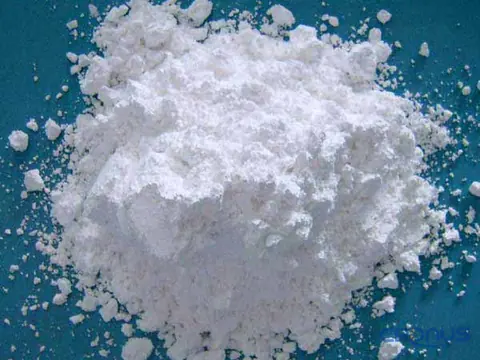
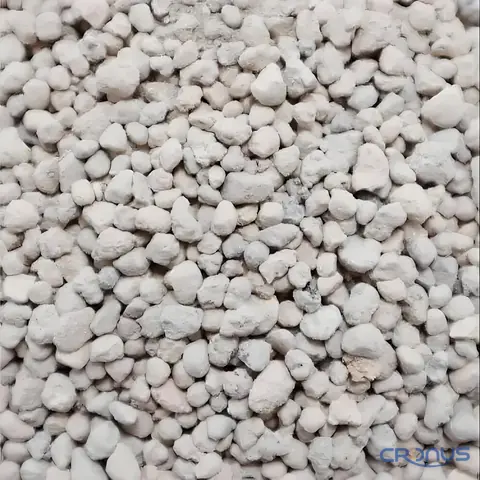
Brittle, non-flammable, non-explosive minerals with Mohs hardness ≤6 and moisture ≤6%: calcite, limestone, marble, dolomite, talc, pyrophyllite, barite, gypsum, kaolin, bentonite, mica, wollastonite, petroleum coke, carbon black, aluminium hydroxide, diatomite and similar non-metallic minerals.
What fineness and capacity can I expect?
Finished powder covers 200–2500 mesh (5–74 μm), D97 controlled precisely by rotor speed. Capacity ranges from 0.2 t/h (CRGM60 at 2500 mesh) up to about 12 t/h (CRGM125 at coarser cuts). Actual figures depend on material hardness, moisture, feed size and target residue — we confirm them with a free test grinding.
How does it compare with a jet mill for ultrafine powder?
For the same ultrafine output, a ring roller mill typically delivers more than twice the capacity at roughly 30% lower energy consumption than a jet mill, with simpler maintenance and lower air-compression cost.
What does a complete production line include?
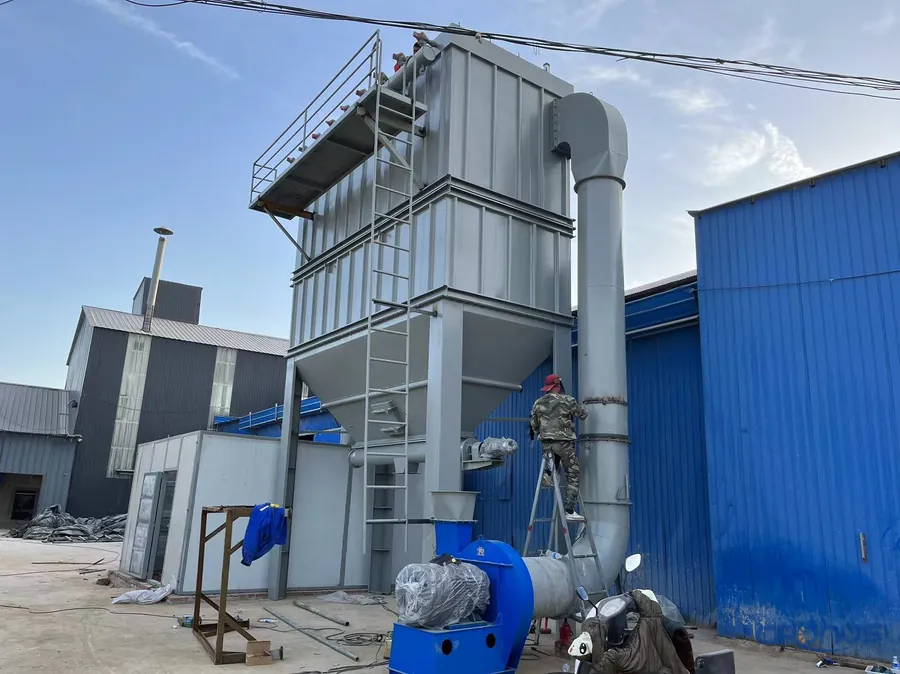
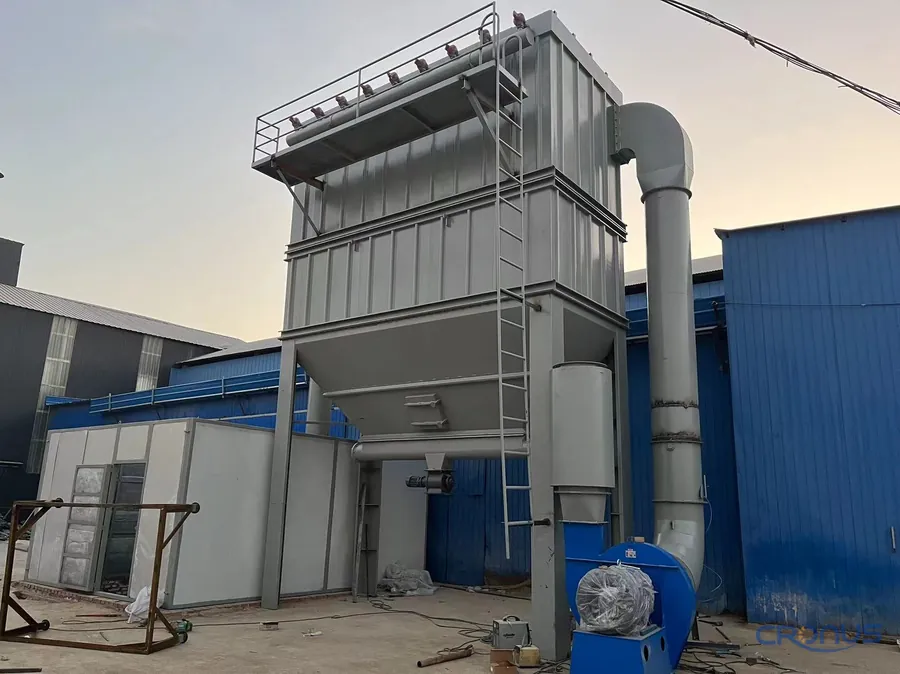
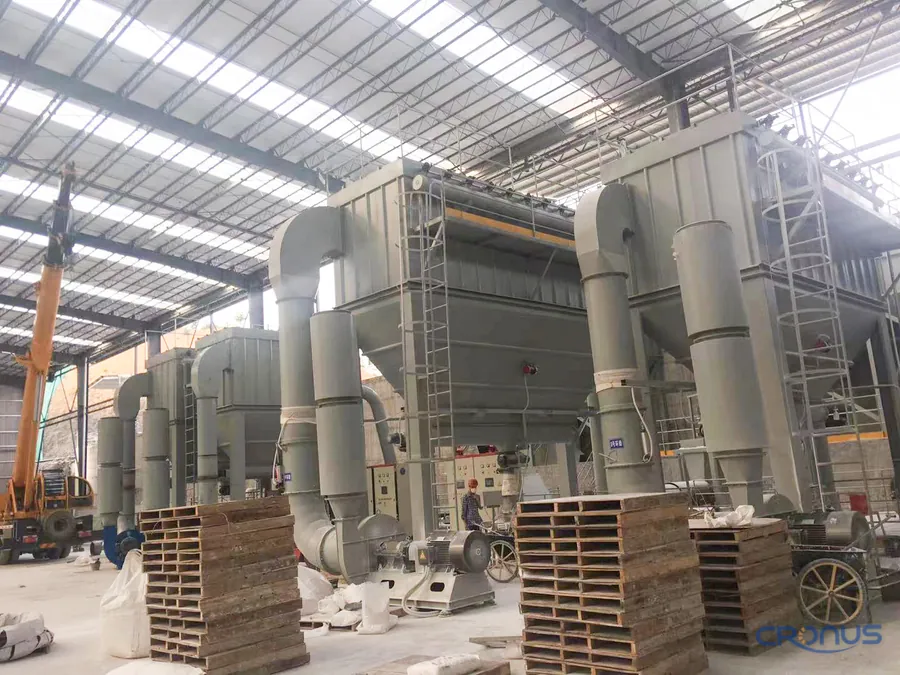
Jaw crusher (or similar), bucket elevator, storage hopper and feeder, the CRGM main unit with multi-head classifier, blower, cyclone collector, pulse-jet dust collector, discharge valves, screw conveyor, packing machine and PLC control cabinet. Layout is engineered to your workshop.
How noisy and dusty is the system?
The whole circuit runs under negative pressure, so no dust escapes. Sound-insulated rooms and silencer design keep noise near the main unit controlled to plant standards.
How often do rollers and rings need replacement?
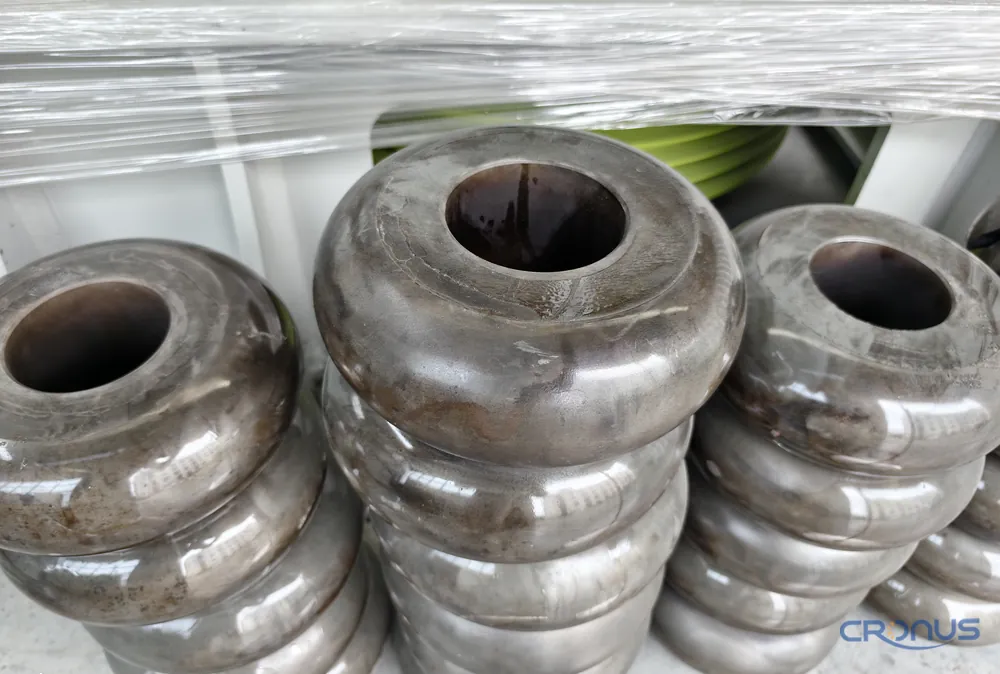
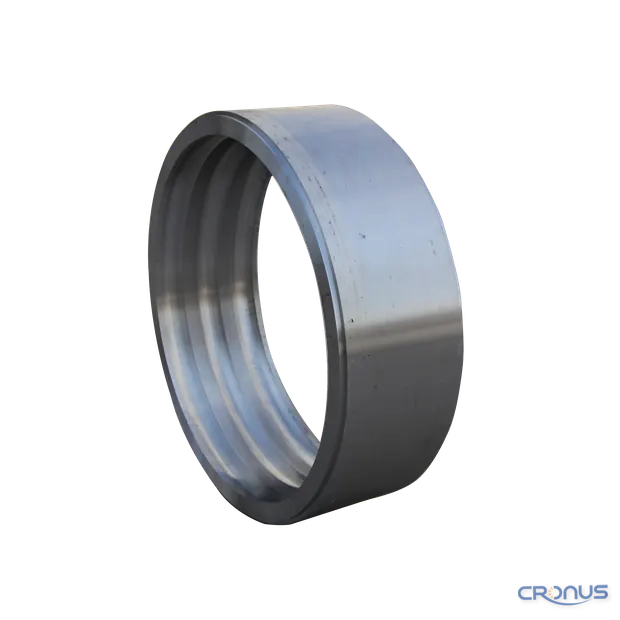
With our forged wear-resistant alloy, service life is typically 2–3 times longer than standard parts. Actual life depends on material abrasiveness, moisture and hours run — we provide an inspection schedule and stocked spares so replacement is planned, not emergency.
Can you upgrade my existing single-head mill to multi-head?
In most cases yes — the multi-head classifier is installed on top of the existing main machine. Send us your mill model and photos for an upgrade proposal.
What warranty, installation and after-sales service do you offer?
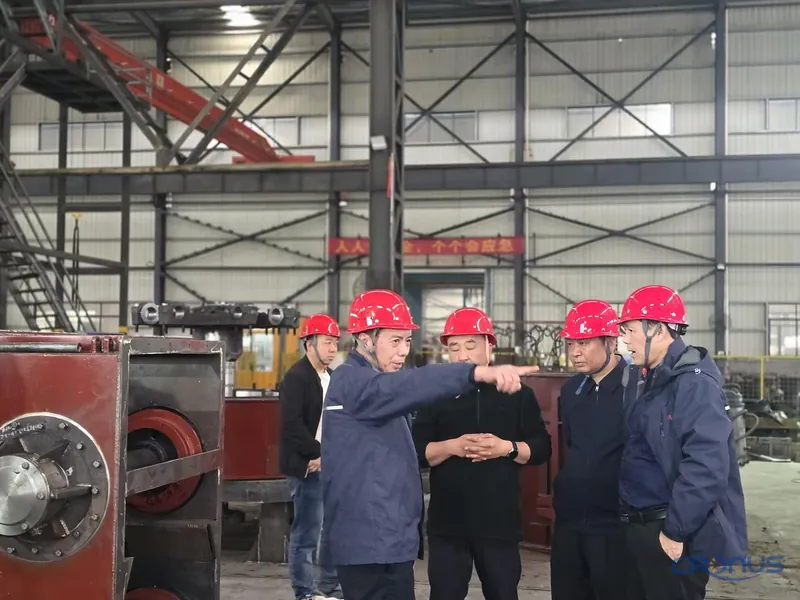
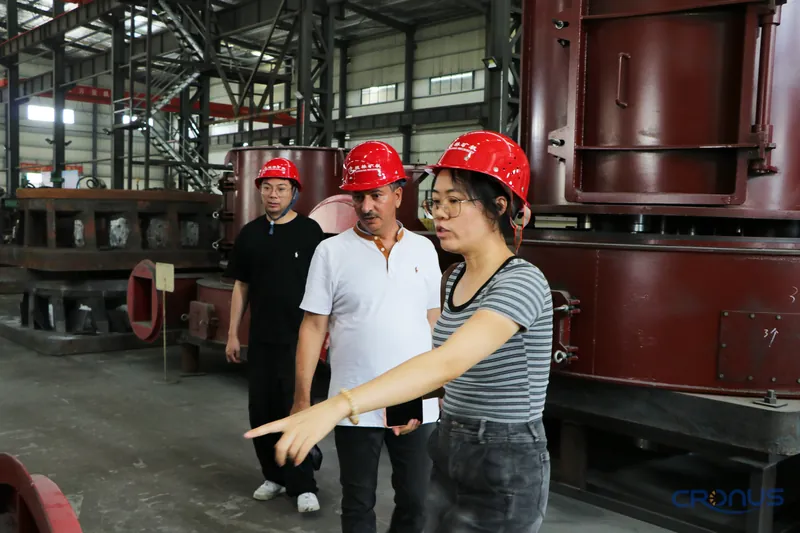
Standard 12-month warranty on the main body. We provide layout design, foundation drawings, on-site or remote installation supervision, commissioning, operator training, lifetime spare-parts supply and 24-hour response through our international service center in Shanghai.